日本自由行完整行程规划,AI 帮我省了 3 小时
Planning a Japan Trip from Scratch — AI Cut My Planning Time by 3 Hours
东京 + 京都 + 大阪,7 天 6 晚,10 分钟出初版行程,圆周旅迹实测全流程。
Tokyo + Kyoto + Osaka, 7 days 6 nights. First draft itinerary in 10 minutes. Full walkthrough with Pi Travel.

日本自由行,最难的不是机票——是行程
The Hardest Part of Japan Travel Isn't the Flight — It's the Itinerary
你有没有订好机票,却在行程上卡住好几个星期?日本太好玩了,想去的地方太多:东京、京都、大阪、奈良、镰仓、箱根……每一个都有人说"不去会后悔"。
Have you ever booked the flight but spent weeks stuck on the itinerary? Japan is almost too good — too many places people swear you can't miss: Tokyo, Kyoto, Osaka, Nara, Kamakura, Hakone...
更麻烦的是,日本几个城市之间跨区域移动的交通逻辑非常复杂。JR Pass 要不要买?新干线提前几天订?京都一日游从大阪出发还是住下来?这些问题把很多人的行程拖成了"永远在规划中"。
What makes it even harder is Japan's complex regional transit logic. Should you get a JR Pass? How many days ahead to book the Shinkansen? Visit Kyoto as a day trip from Osaka, or stay there? These questions trap people in perpetual planning mode.
我最近用圆周旅迹规划了一次东京 + 京都 + 大阪 7 天 6 晚的行程,从零开始,10 分钟出初版,总规划时间不超过 30 分钟。把全流程记录下来,供参考。
I recently used Pi Travel to plan a Tokyo + Kyoto + Osaka 7-day trip from scratch. First draft in 10 minutes, total planning time under 30 minutes. Here's the full walkthrough.
我的日本行程需求
My Trip Requirements
在开始之前,我先整理了自己的需求,这一步非常重要——它决定了 AI 能给出多精准的行程:
Before starting, I clarified my requirements — a step that determines how accurate the AI's output will be:
- 出发地:上海,直飞东京(约 3 小时)
- 行程:7 天 6 晚
- 城市:东京(3 天)→ 京都(2 天)→ 大阪(2 天)
- 偏好:不赶景点,留时间逛街、吃饭、随机漫步
- 同行:2 人,不带孩子,喜欢小众居酒屋和设计感酒店
- Departure: Shanghai, direct to Tokyo (~3 hours)
- Duration: 7 days 6 nights
- Cities: Tokyo (3 days) → Kyoto (2 days) → Osaka (2 days)
- Style: Not rushed, time for shopping, eating, wandering
- Group: 2 adults, no kids, prefer hidden izakayas and design hotels
第一步:直接告诉 AI,它帮你搭框架
Step 1: Tell the AI Your Needs — It Builds the Framework
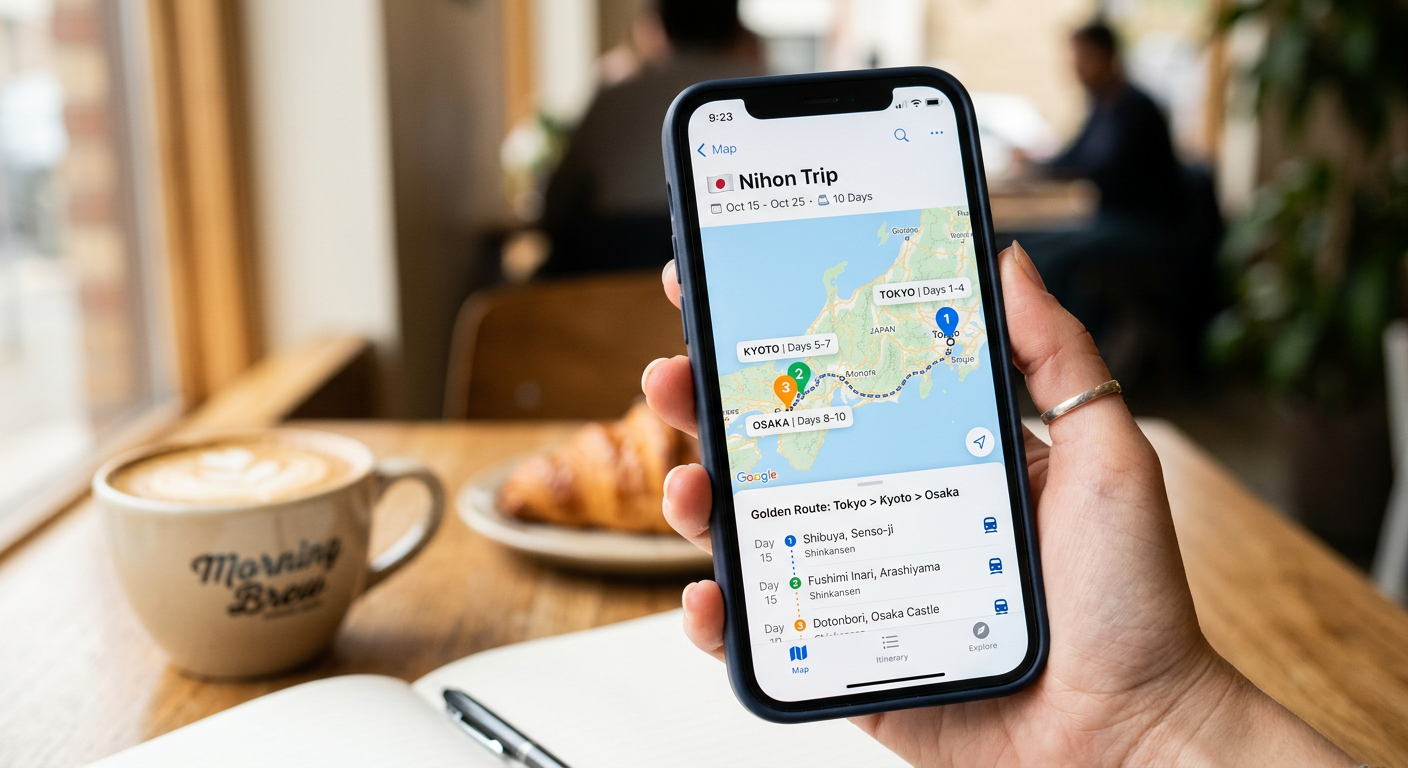
打开圆周旅迹,进入「新建行程」→「AI 智能规划」。输入:「东京 + 京都 + 大阪,7 天,不赶景点,喜欢小众餐厅和设计感住宿」。
Open Pi Travel, tap "New Trip" → "AI Smart Planning." Enter: "Tokyo + Kyoto + Osaka, 7 days, relaxed pace, prefer local restaurants and design hotels."
约 15 秒后,AI 给出了一份完整的七天框架:
About 15 seconds later, the AI returned a complete 7-day framework:
- Day 1:抵达东京,浅草寺 → 上野公园 → 秋叶原
- Day 2:新宿御苑 → 原宿 → 涩谷 Sky(不走寻常路版)
- Day 3:日比谷 → 银座 → 丰洲市场早市 + 团子冰淇淋
- Day 4:新干线东京 → 京都,抵达下午,岚山竹林傍晚漫步
- Day 5:伏见稻荷(清晨人少)→ 祇园 → 哲学之道
- Day 6:新干线京都 → 大阪,道顿堀 → 心斋桥
- Day 7:黑门市场早餐 → 大阪城 → 下午返沪
- Day 1: Arrive Tokyo, Senso-ji → Ueno → Akihabara
- Day 2: Shinjuku Gyoen → Harajuku → Shibuya Sky (off-beat edition)
- Day 3: Hibiya → Ginza → Toyosu Market early market
- Day 4: Shinkansen to Kyoto, Arashiyama bamboo grove at dusk
- Day 5: Fushimi Inari early (fewer crowds) → Gion → Philosopher's Path
- Day 6: Shinkansen to Osaka, Dotonbori → Shinsaibashi
- Day 7: Kuromon Market breakfast → Osaka Castle → afternoon return
AI 自动识别了「岚山傍晚比清晨人更少」「伏见稻荷早晨是最佳时段」等细节,不是随便堆景点,而是有时间感和节奏感的安排。
The AI automatically picked up on nuances like "Arashiyama is quieter in the evening" and "Fushimi Inari is best in early morning" — not just a list of spots, but a schedule with rhythm and logic.
第二步:导入收藏的小红书攻略,补充细节
Step 2: Import Saved Guides to Fill in the Details

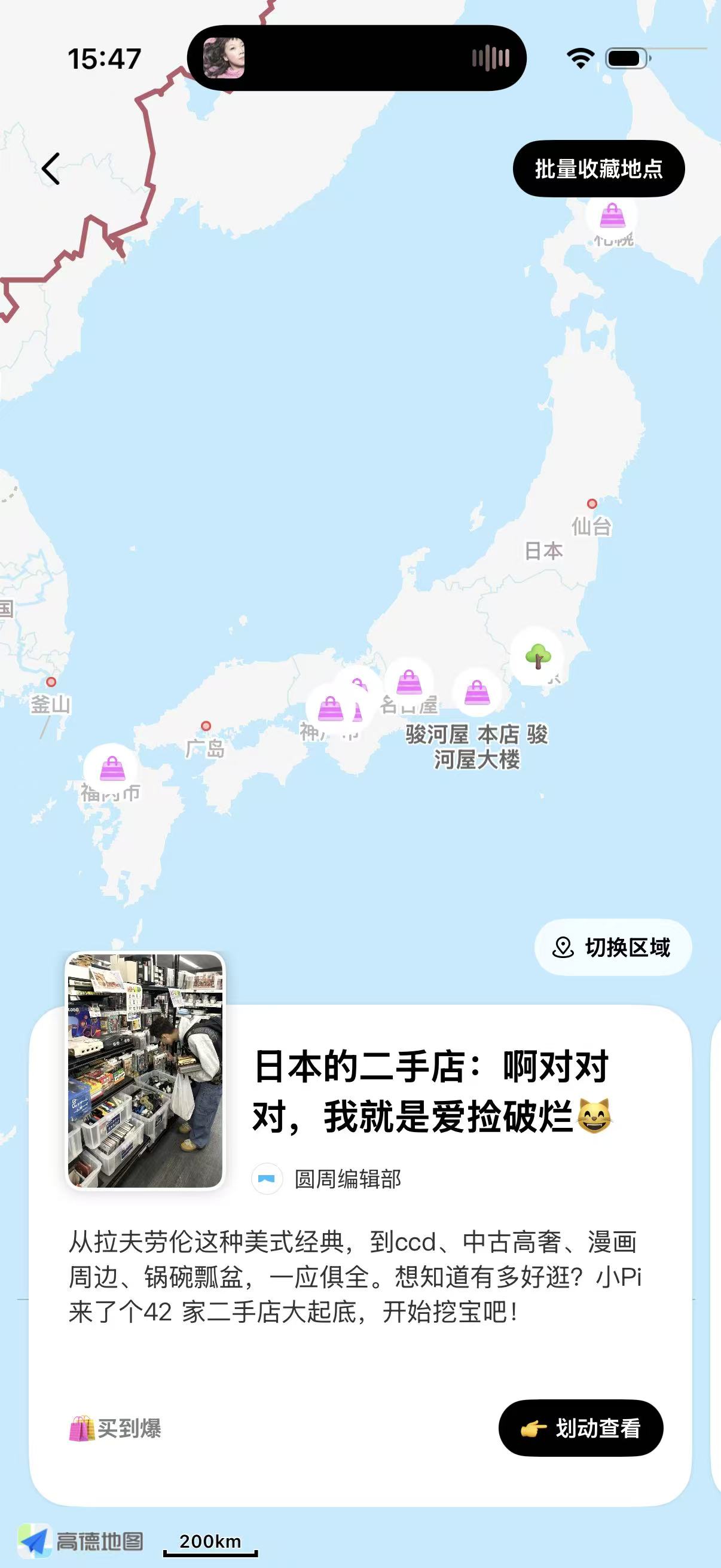
AI 给的框架很好,但我想加一些小红书上发现的宝藏地点——一家在京都小巷里的炭火烤肉店,还有一个上野公园附近不在 Google Map 上的街头文青市集。
The AI framework was solid, but I wanted to add some gems I'd found on pitravel — a charcoal grill izakaya tucked in a Kyoto alley, and a street market near Ueno that doesn't show up on Google Maps.
在圆周旅迹里点击「导入攻略」,粘贴链接,AI 自动从攻略里提取了所有地点——包括那个没有标准地名的小市集,识别为「上野公园东侧文化市集(周末限定)」。
In Pi Travel, tap "Import Guide," paste the link. The AI extracted all locations — including that unnamed street market, which it identified as "Ueno Park East Side Cultural Market (weekends only)."
把这些地点拖进对应的天数,行程马上有了自己的个性。
Drag these spots into the right days, and the itinerary immediately takes on a personal character.
第三步:路线优化 + 交通安排
Step 3: Route Optimization + Transit Planning
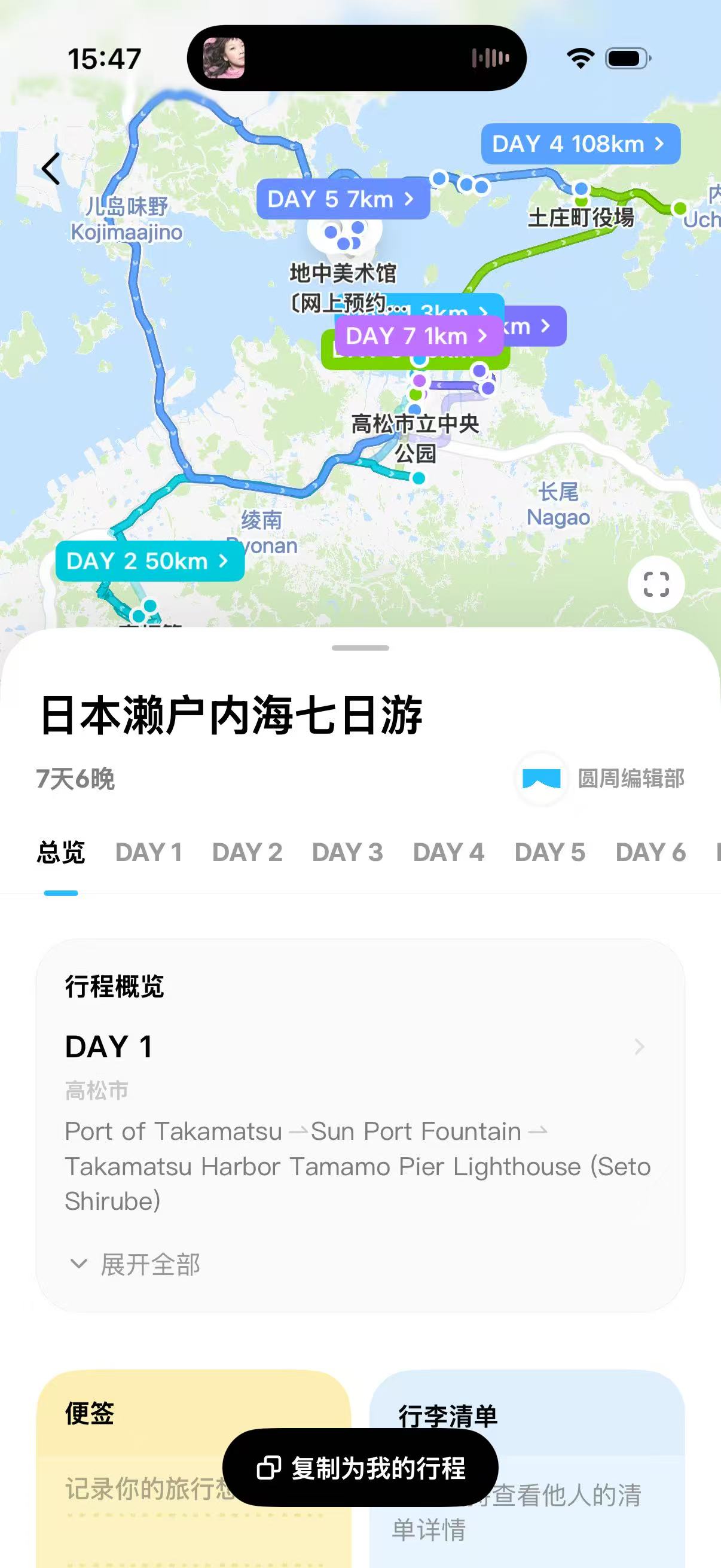
圆周旅迹会自动根据地理位置优化每天的游览顺序,避免来回跑。同时自动附上每段路程的交通方式建议:
Pi Travel automatically optimizes each day's order by geography to avoid backtracking, and adds transit suggestions for each leg:
- 东京市内:地铁为主,推荐 Suica 卡,不建议打车
- 东京→京都:建议乘坐东海道新干线(约 2 小时 15 分钟),提前 3 天购票更优惠
- 京都市内:公交 + 步行 + 偶尔打车,不建议租车
- 京都→大阪:新干线 15 分钟,或阪急电车约 40 分钟(更便宜)
- Within Tokyo: Metro-first approach, Suica card recommended, avoid taxis
- Tokyo → Kyoto: Tokaido Shinkansen (~2h 15m), book 3 days ahead for better prices
- Within Kyoto: Bus + walking + occasional taxi, car rental not recommended
- Kyoto → Osaka: Shinkansen (15 min) or Hankyu Railway (~40 min, cheaper)
最终行程:7 天完整版
The Final Itinerary: Full 7-Day Version
| 天数 / Day | 城市 / City | 主要行程 / Highlights |
|---|---|---|
| Day 1 | 东京 Tokyo | 浅草寺、上野公园、秋叶原 Senso-ji, Ueno, Akihabara |
| Day 2 | 东京 Tokyo | 新宿御苑、原宿、涩谷 Sky Shinjuku Gyoen, Harajuku, Shibuya Sky |
| Day 3 | 东京 Tokyo | 丰洲市场、银座、日比谷 Toyosu Market, Ginza, Hibiya |
| Day 4 | 京都 Kyoto | 抵达、岚山竹林、岚山渡月桥 Arrive, Arashiyama Bamboo, Togetsukyo Bridge |
| Day 5 | 京都 Kyoto | 伏见稻荷、祇园、哲学之道 Fushimi Inari, Gion, Philosopher's Path |
| Day 6 | 大阪 Osaka | 抵达、道顿堀、心斋桥 Arrive, Dotonbori, Shinsaibashi |
| Day 7 | 大阪 → 回程 Osaka → Home | 黑门市场、大阪城、出发 Kuromon Market, Osaka Castle, Depart |
几个日本行程的实用小 Tips
Practical Tips for Japan Trip Planning
- JR Pass 不一定值:7 天行程如果只坐 1 次新干线(东京→京都),单程买票比 JR Pass 更划算,用圆周旅迹的交通计算功能可以自动对比
- 伏见稻荷一定要早去:8 点前人极少,10 点后人山人海,行程里建议把这天的早餐安排在稻荷附近
- 京都公交系统:公交一日券 700 日元,比单次买票更划算,圆周旅迹会自动提示购票建议
- 住宿推荐区域:东京 → 新宿/浅草;京都 → 祇园附近;大阪 → 心斋桥步行圈内
- JR Pass may not be worth it: For 7-day trips with only one Shinkansen ride (Tokyo→Kyoto), single tickets often beat the JR Pass. Pi Travel can auto-compare costs.
- Fushimi Inari — go early: Before 8am is nearly empty; after 10am it's packed. Schedule breakfast near the shrine that day.
- Kyoto bus system: Day pass ¥700, beats single fares. Pi Travel will prompt you when the pass makes sense.
- Where to stay: Tokyo → Shinjuku/Asakusa; Kyoto → near Gion; Osaka → walking distance from Shinsaibashi.
现在就开始规划你的日本行程
Start Planning Your Japan Trip Now
日本自由行的行程复杂,但复杂的部分完全可以交给 AI 来处理。你只需要告诉圆周旅迹你想去哪、玩几天、喜欢什么风格,剩下的——框架、路线、交通、备注——它来搞定。
Japan itineraries are complex — but the complex parts are exactly what AI handles best. Tell Pi Travel where you want to go, how many days, and your travel style. Everything else — structure, routing, transit, notes — it takes care of.
规划不完美没关系,出发才是最重要的一步。
An imperfect plan beats no plan. The most important step is actually leaving.